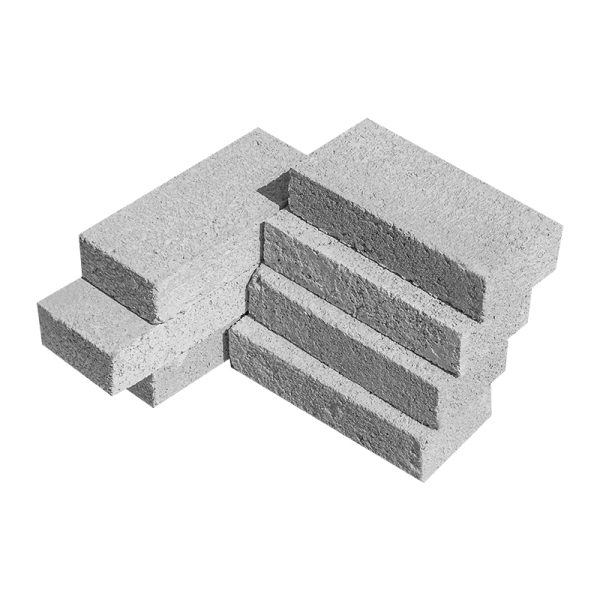
Cement-aggregate bricks, also known by other names such as aggregate bricks, block bricks, concrete bricks, etc., are a type of unburnt brick made from a hardened concrete mixture consisting of cement, aggregates (sand, crushed stone, thermal power plant fly ash, blast furnace slag), additives, water, etc., using vibration or pressing methods, or a combination of both, and after hardening, they meet the required physical and mechanical properties.
1. Classification by structural characteristics
Based on their structural characteristics, aggregate concrete bricks are divided into two types: hollow bricks and solid bricks.
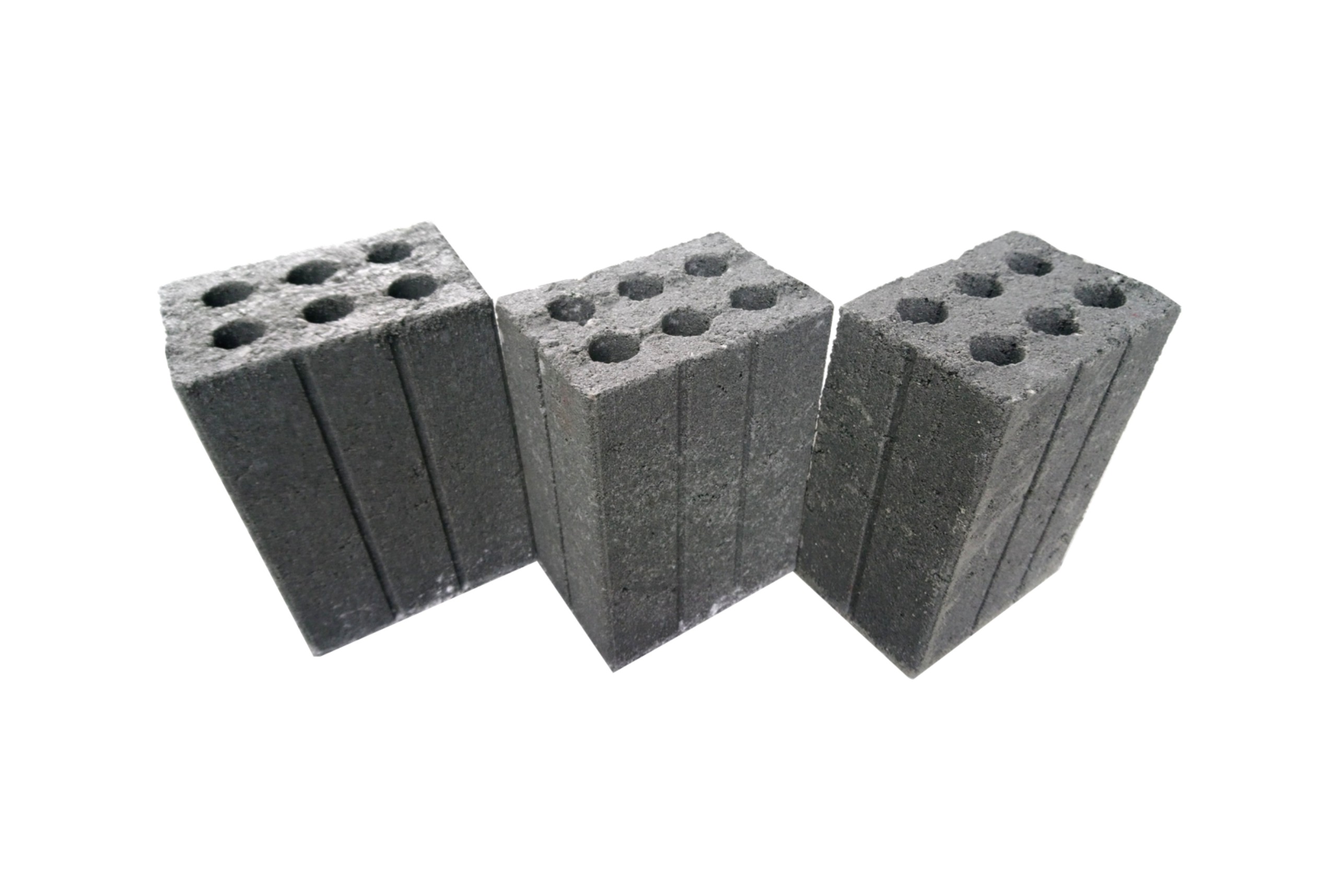
- Hollow bricks are typically manufactured as rectangular bricks with two or more large hollow spaces created during the molding process.
- Solid bricks are typically manufactured in rectangular shapes, without any voids.
2. Classification by compressive strength
Based on compressive strength, aggregate bricks are classified into grades: M3.5; M5; M7.5; M10; M15; M20. In these grades, the values 3.5; 5; 7.5; 10; 15; and 20 represent the average compressive strength of the brick (MPa).
3. Classification by purpose of use
Based on their intended use, cement-based aggregate bricks can be divided into two types: ordinary bricks and decorative bricks.
- Bricks are commonly used for plastering walls, have the natural color of concrete, and can be solid or hollow bricks.
- Decorative bricks are used for the purpose of decorating buildings and constructing unplastered walls. The brick surface can be rough or smooth, and they can be solid or hollow, with decorative colors depending on requirements.
4. Outstanding advantages of concrete-aggregate bricks
- Various shapes
Aggregate bricks are designed and manufactured in various shapes to suit different uses. Therefore, you can easily observe that these bricks often have more partitions.
- Increase load-bearing capacity
The strong adhesion of mortar to bricks is essential to minimize brick cracking. Simultaneously, it strengthens the wall’s load-bearing capacity and minimizes mortar usage. Compared to traditional clay bricks, cement-based aggregate bricks can reduce mortar consumption by up to 2.5%.
The tiles are manufactured on modern, highly standardized production lines, resulting in uniform, beautiful products.
In addition, this type of material also has good thermal insulation, waterproofing, and soundproofing properties, so it is loved and used by many people.
- Saves construction time.
Typically, concrete blocks are designed to be larger than traditional fired bricks. This allows for faster construction times, saving time, effort, and labor costs, thereby significantly improving project progress.
- Protecting the environment and agricultural land.
The production of cement-based bricks does not use charcoal for firing, which contributes to environmental protection and energy security. In addition, the production process does not use clay, contributing to the protection of agricultural land and food security.
5. We have 2 types basic cement – aggregate brick as below:
1. 6-HOLE XMCL BRICK
6-hole non-fired hollow bricks are a type of concrete block . The product is manufactured using variable frequency vibration pressing technology, with the main materials including cement, crushed stone, sand, and some other additives. After the shaping process, it self-hardens, achieving mechanical properties such as compressive strength, flexural strength, water absorption, sound insulation, and thermal insulation… without the need for high-temperature firing, thus increasing the durability of the bricks.
SPECIFICATIONS
- Dimensions: 200 x 130 x 90 mm

- Compressive strength: 5.0 MPa
- Weight: 3.0 – 3.2 kg/piece
- Water permeability (L/m2/h): ≤ 16
- Water absorption (%): ≤ 14
- Porosity (%): ≤ 65
- TCVN 6477:2016
2. SOLID MIXED BRICKS
Solid non-fired bricks are a type of concrete block . The product is manufactured using variable frequency vibration pressing technology, with the main materials including cement, crushed stone, sand, and some other additives. After the shaping process, it self-hardens, achieving mechanical properties such as compressive strength, flexural strength, water absorption, sound insulation, and thermal insulation… without the need for high-temperature firing, thus increasing the durability of the bricks.
SPECIFICATIONS:
- Dimensions: 200 x 90 x 50 mm

- Compressive strength: 7.5 MPa
- Weight: 1.5 – 1.6 kg/piece
- Water permeability (L/m2/h): ≤ 16
- Water absorption (%): ≤ 12
- TCVN 6477:2016